 Episode 1
In us
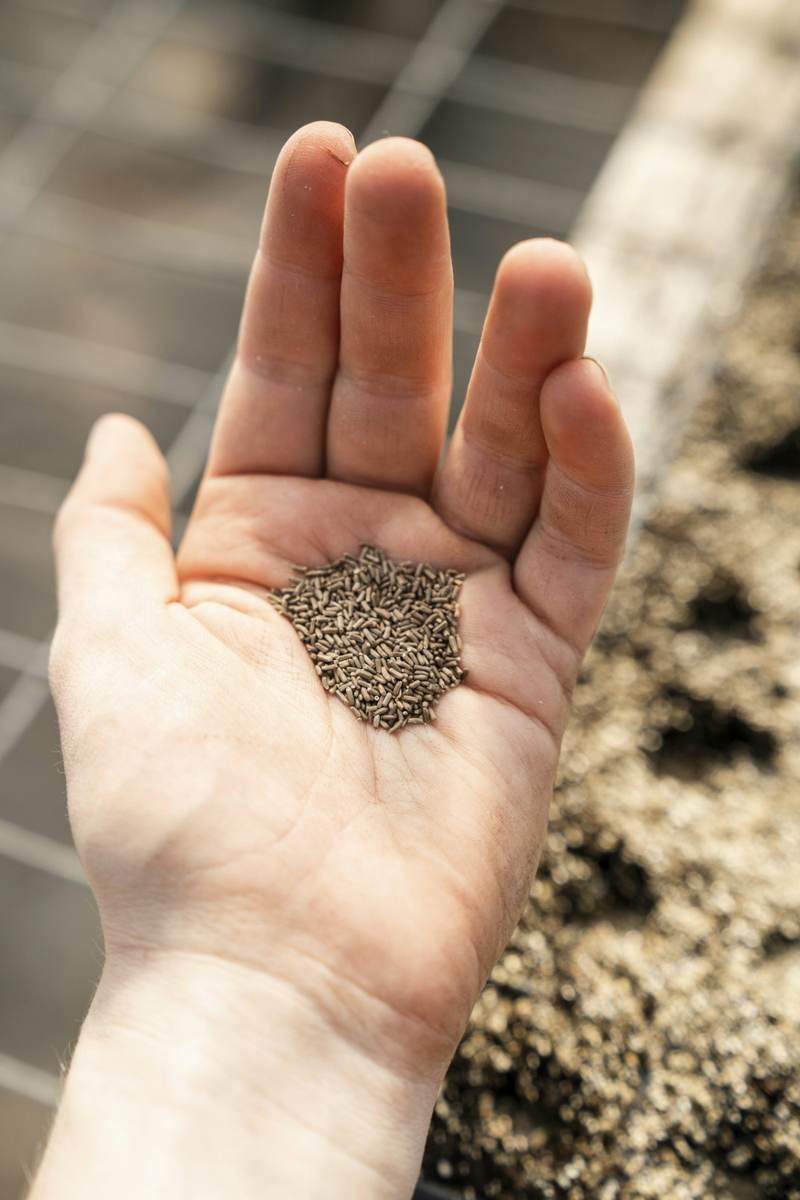
We begin projects from existing material, knowledge and tools.
But: No human beginning starts from nothing.
The 99 Names · Name 58 of 99 · Act
الْمُبْدِئُThe Originator, who begins creation
Say it: al-Mubdiʾ. A recording by our own reciter is on its way.
Heard together with: al-Mubdiʾ / al-Muʿīd
Then take away everything it needs. What is left is not a bigger version of us. It is the Name.
Episode 1We begin projects from existing material, knowledge and tools.
But: No human beginning starts from nothing.
 Episode 2
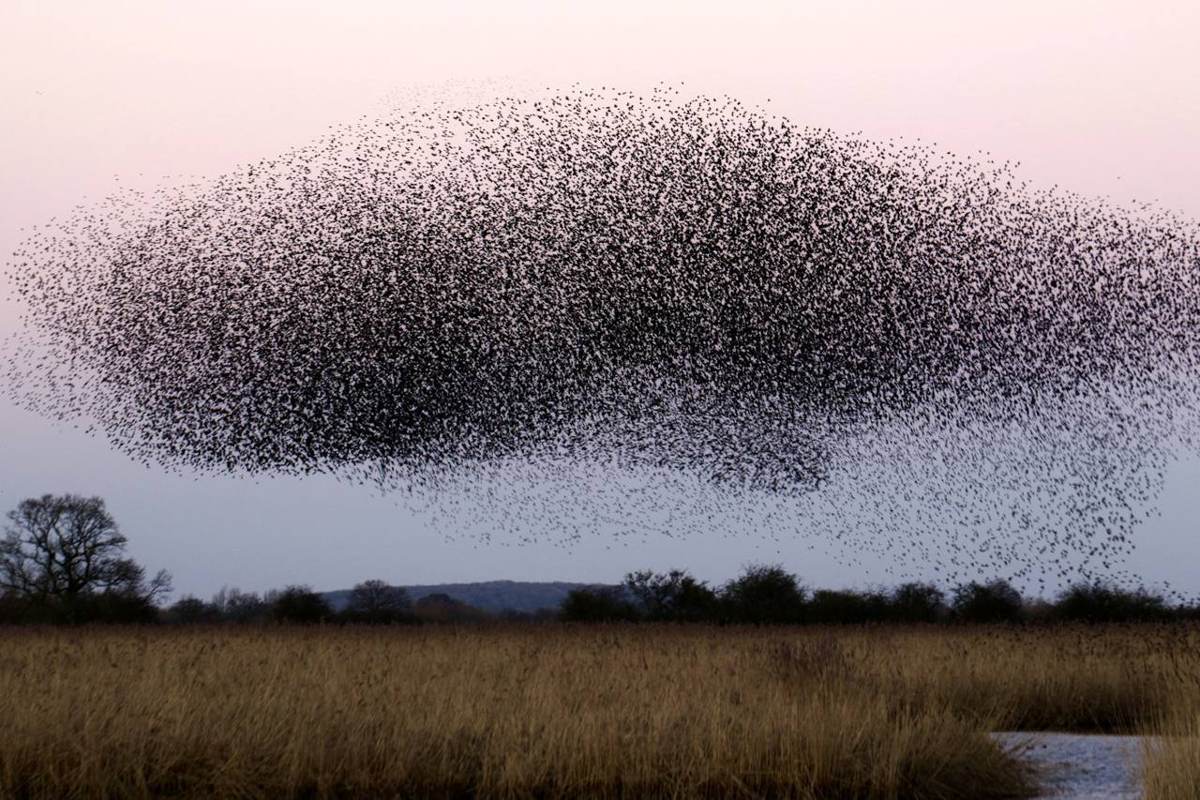
A bird's first nest is built from found material, by instinct.
 Episode 3
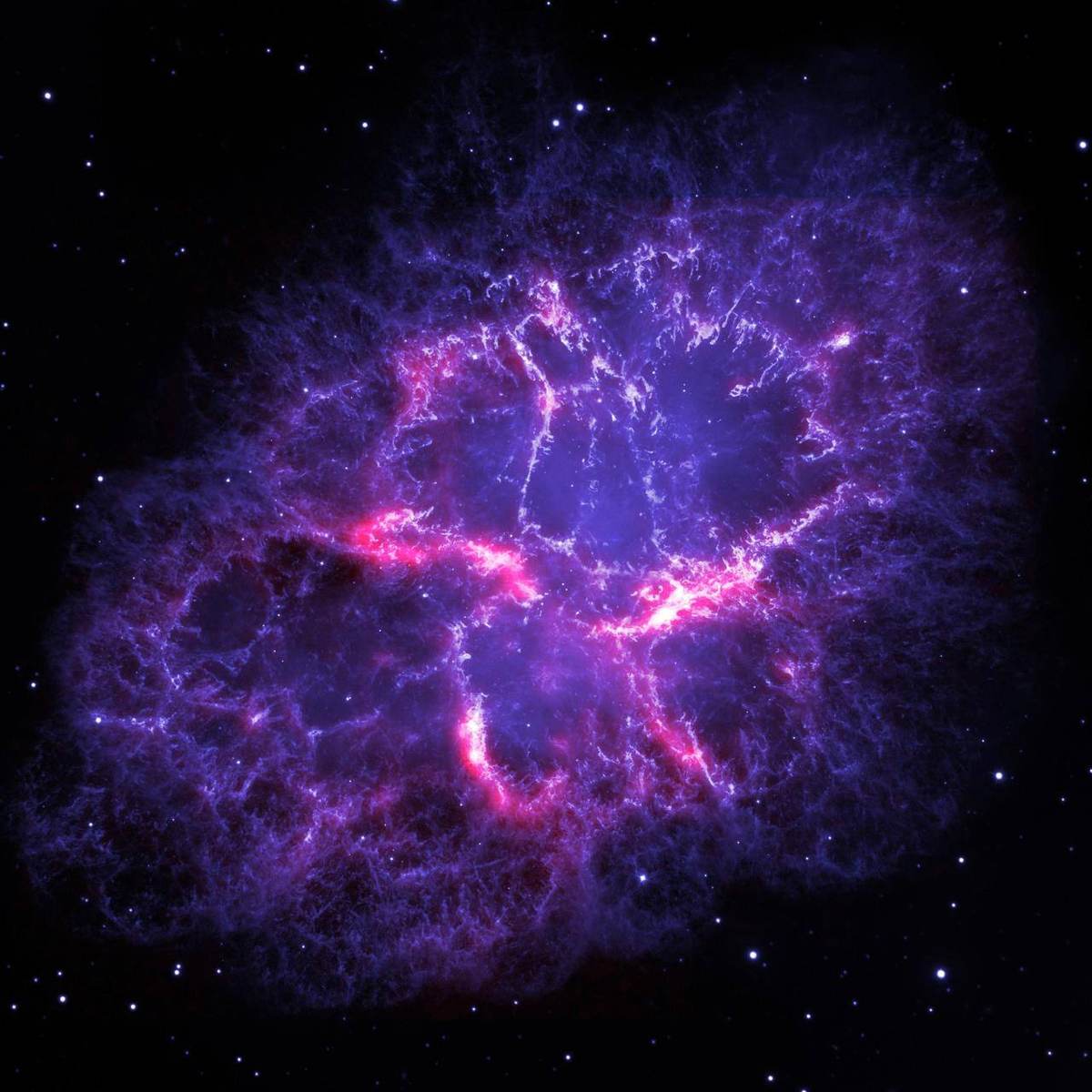
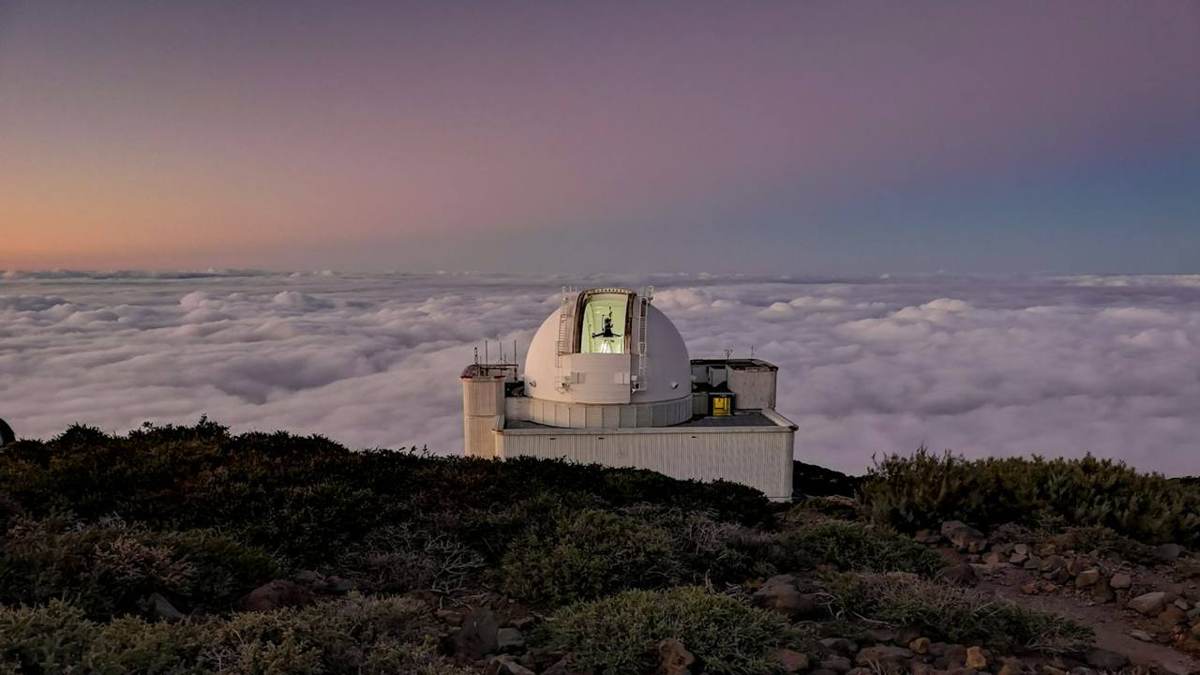
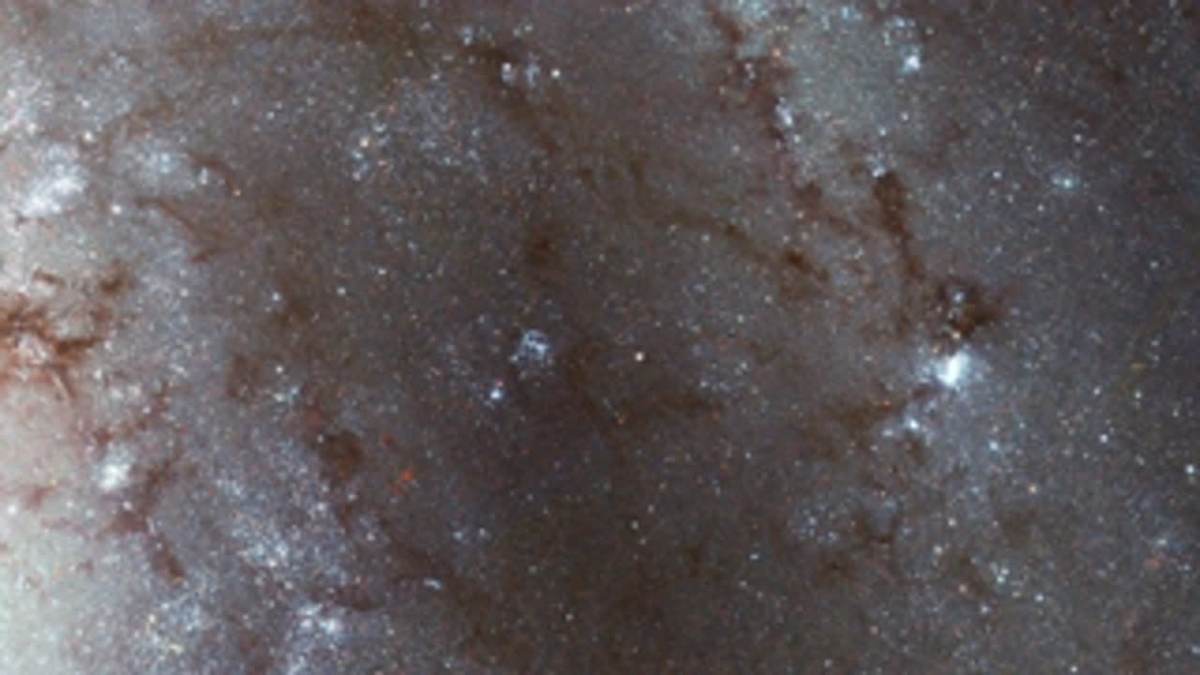
NASA/ESA Webb confirmed galaxy MoM-z14, seen about 280 million years after the Big Bang (STScI, 28 Jan 2026). Planck: oldest light, 380,000 years after the start.
But: Every telescope looks back to a beginning it cannot see past; no instrument observes 'before'.
 Episode 4
Take away prior material, a model, trial and error, a 'before'.
Webb sees galaxies 280 million years after the beginning. al-Mubdiʾ is the One who began it.
From the tradition: Ghazālī: al-Mubdiʾ brings into being without precedent. Nahj al-Balāgha Sermon 1: created 'without… making use of any experiment'.
On screen
Arceus hatches from an egg into a chaos already there. al-Mubdiʾ has nothing before Him to hatch from.
stsci.edu/contents/news-releases/2026/news-2026-107