 Episode 1
In us
Nine months of carrying a child, then years of sleepless care. In the Prophet (peace be upon him)'s time (peace be upon him), a woman who had lost her baby among the captives nursed every child she could find, until she found her own. He said: God is more merciful to His servants than this mother to her child (Bukhari 5999). But a mother's mercy goes to her own first. It tires. It needs food and sleep.
 Episode 2
In nature
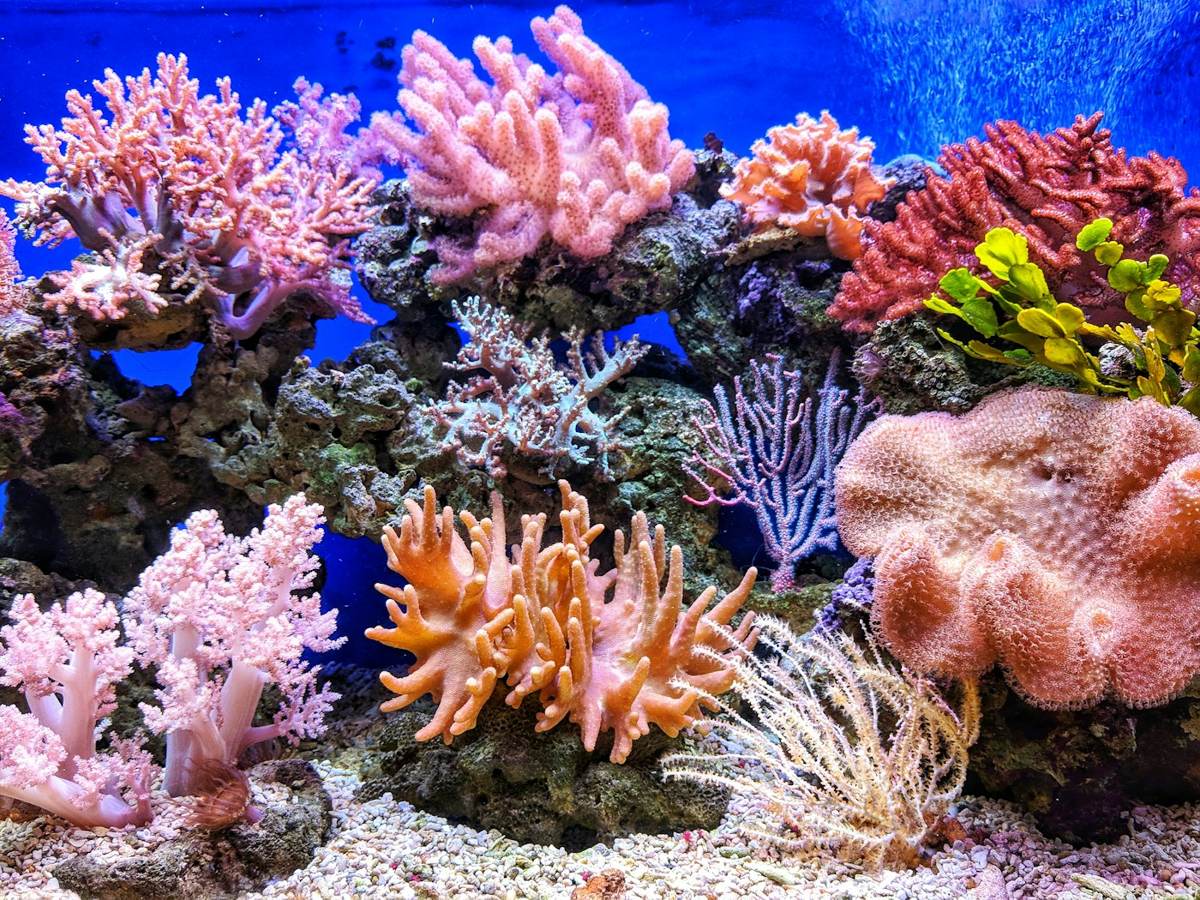
Deep in the Pacific, an octopus guarded her eggs for 53 months, never leaving, never eating: “by far the longest egg-brooding period ever reported” (Robison and others, 2014). One clutch, and then she died. Mercy in nature is real, and it costs everything.
 Episode 3
At our best
A neonatal intensive care unit at 3am. An RNLI lifeboat crew, volunteers since 1824, launching into a storm. Our best mercy is organised and brave. It still needs money, staff, beds and shifts, and someone always has to wait.
 Episode 4
The Break
Take away earning it, deserving it, being family, getting tired, running out. What is left is not a bigger mother's love, but mercy nobody earned and nothing uses up. “My mercy encompasses all things” (Qur'an 7:156).
Read: 7:156; 6:12; 55:1-4
From the tradition: Hadith: mercy divided into 100 parts, one sent down 'so that even the mare lifts up its hoofs away from its baby animal' (Bukhari 6000); kinship (raḥim) is 'a branch' of ar-Raḥmān (Bukhari 5988, ). al-Ghazālī (Maqṣad): ar-Raḥmān is the more specific Name, used of God alone; its mercy is the kind beyond human reach: bringing into being, guidance to faith, happiness in the next life and the vision of His face. The 'all creation vs believers' split is a different classical explanation, not al-Ghazālī's