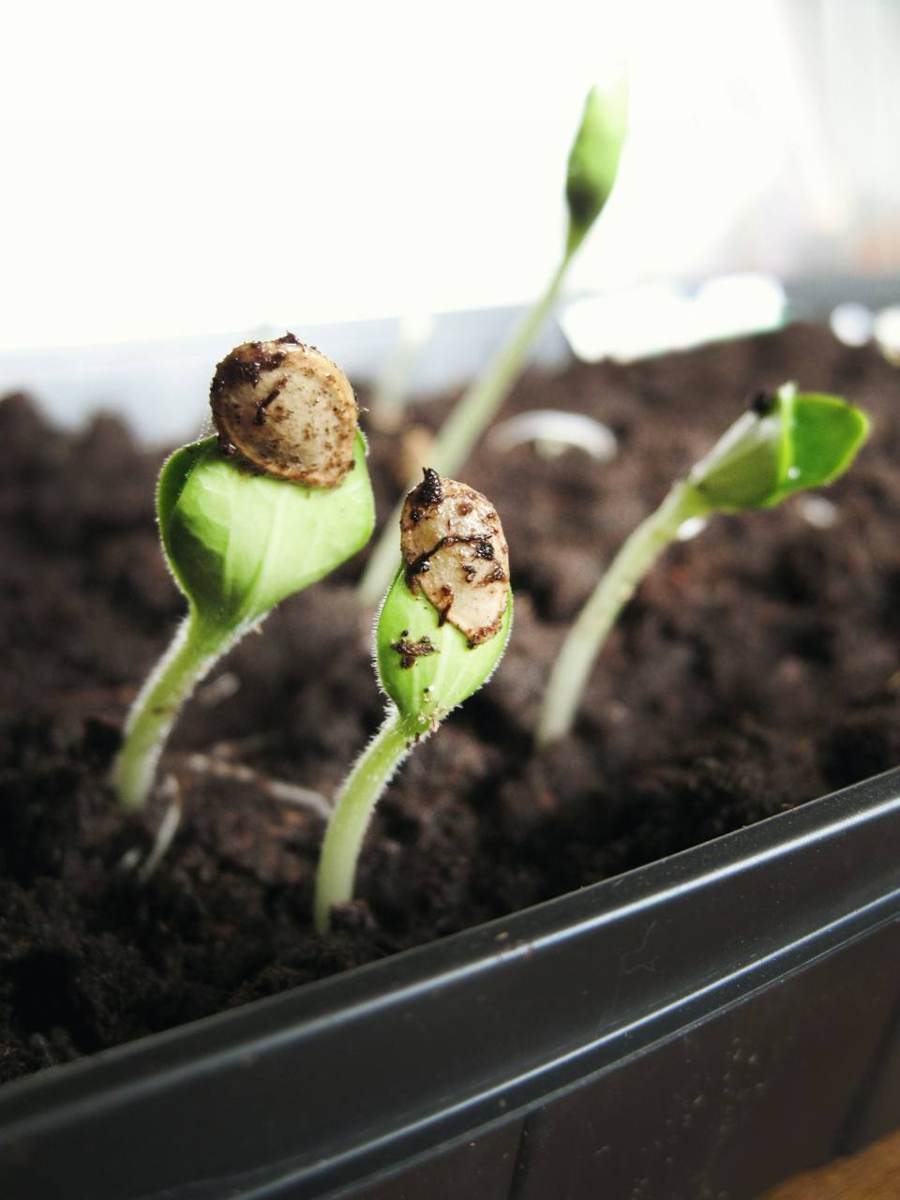
In 2012 a team of Russian scientists grew flowering plants from fruit tissue that squirrels had buried in Siberian ice about 32,000 years ago. The plants bloomed, set seed, and the seeds sprouted.
It sounds like bringing the dead to life. Look closer and it is something humbler: finding a spark of life that had never quite gone out. al-Muḥyī, the Giver of Life, is the One who lights it in the first place. In the tradition this Name is always said together with the next one, al-Mumīt.
Start with what we know
Then take away everything it needs. What is left is not a bigger version of us. It is the Name.
Episode 1
In us
Medicine can sometimes call a person back. CPR and a defibrillator can restart a heart that has stopped, and the British Heart Foundation says every minute without them cuts the chance of survival; across the UK fewer than one in ten people survive a cardiac arrest outside hospital. IVF has helped bring millions of children into the world since Louise Brown was born in Oldham in 1978. These are among the finest things people do. But every one of them works only on life already given: a heart that was beating, an egg and a sperm that were alive. No doctor has made a living cell from non-living matter.
Episode 2
In nature
In 2020 Japanese scientists led by Yuki Morono reported in Nature Communications that they had revived microbes from seafloor mud about 101.5 million years old, drilled from beneath the South Pacific. Given food, the tiny cells woke and began to multiply. They had been barely alive, close to the edge, for longer than the dinosaurs have been gone. It is one of the strangest discoveries about life's endurance. But they were not raised from death. Their life had been waiting, not absent. In nature, life comes only from life.
Episode 3
At our best
The Silene stenophylla plants grown in 2012 by the team of David Gilichinsky and Svetlana Yashina, published in PNAS, came from fruit tissue in a fossil squirrel burrow, radiocarbon-dated to about 31,800 years ago. The scientists took surviving cells, grew them in a dish, and coaxed 36 plants into being. Their seeds germinated perfectly. It is a triumph of patience and skill. Yet look at what was needed: living cells that had survived, a laboratory, nutrients, hand-pollination. Life came from life, through the hands of people who had themselves been given it.
Episode 4
The Break
Take away a surviving cell, a beating heart to restart, a laboratory and a body to work on. Every life we know was passed on from an earlier life. We can protect it, pass it on and sometimes rescue it. al-Muḥyī gives it, and gives it to the dead earth and to us. With His paired Name, al-Mumīt, He holds both ends of every life. “Look, then, at the marks of God's mercy: how He gives life to the earth after its death. He is the One who gives life to the dead” (Qur'an 30:50, our rendering).
From the tradition: 2:258: Abraham (peace be upon him) to the king who said (Q 2:258): 'Allah brings up the sun from the east, so bring it up from the west'. Deut 32:39.
On screen
Victor Frankenstein needed a body, a storm and a laboratory, and could not love what he made. (30:50).
The Qur'an tells of a king who argued with Abraham (peace be upon him) about God. The king's power had gone to his head. Abraham (peace be upon him) said: my Lord is the One who gives life and causes death.
The king replied: I give life and cause death. Commentators explain what he meant: he could order a prisoner executed or let him go free, and called that power over life.
Abraham (peace be upon him) did not argue about that. He changed the ground. God, he said, brings the sun up from the east. So bring it up from the west.
The story is short and sharp, and it is not really about the sun. It shows the difference between controlling the edges of someone's life and being its source. A king can end a life or spare it. He cannot make one. He cannot even move the morning. Abraham (peace be upon him)'s reply invites the king, and the reader, to notice how much of life is given and how little is truly ours to command. Jewish tradition has many stories of Abraham standing up to the idol-worship of his time; this one belongs to that family of stories.
What each faith says
Judaism
“I kill, and I make alive; I have wounded, and I heal”
The Torah puts life and death in the same breath, spoken by God: “I kill, and I make alive; I have wounded, and I heal.” Hannah's prayer says the same: “The LORD killeth, and maketh alive” (1 Samuel 2:6).
The second blessing of the Amidah, said three times a day, calls God meḥayyeh ha-metim, the One who gives life to the dead. Jewish law also teaches that saving a single life is like saving a whole world (Mishnah Sanhedrin 4:5), a teaching the Qur'an echoes in 5:32.
Christianity
“he himself gives to all life and breath, and all things.”
The Nicene Creed calls the Holy Spirit “the Lord, the giver of life”. Paul told the people of Athens that God “gives to all life and breath, and all things” (Acts 17:25).
Christians also believe that Jesus (peace be upon him) restored life to the dead by God's power, and speak of him as “the resurrection and the life” (John 11:25). Muslims too honour the miracles of Jesus (peace be upon him), which the Qur'an says he worked “by God's permission” (3:49), but do not share the Christian belief in his divinity.
Islam
“Among His signs is that you see the earth lying low; then when We send down rain on it, it stirs and swells. The One who gives it life is the One who gives life to the dead.”
The Qur'an often points to rain on dead earth as the everyday sign of al-Muḥyī: “You see the earth still and lifeless, and when We send down rain on it, it stirs and swells. The One who gives it life gives life to the dead” (41:39).
It also asks the reader to remember their own story: “You were lifeless and He gave you life; then He will cause you to die, then give you life again” (2:28). The Name is always remembered with al-Mumīt.
Same and different
All three faiths teach that life is God's gift and that God alone gives and takes it. All three see saving a life as one of the greatest of deeds. Christians add the belief that the Holy Spirit is the giver of life and that Jesus (peace be upon him) is the resurrection, which Jews and Muslims do not share.
A moment to reflect
What is the difference between keeping something alive and giving it life?
When have you felt most aware that your life is a gift?
Why do you think the tradition says al-Muḥyī and al-Mumīt together?
Watch
Watch on YouTube ↗ · plays here on the live site; YouTube without tracking until you press play
Attenborough's lesson on seeds: how a plant packs life into a capsule that can wait.
Watch on YouTube ↗ · plays here on the live site; YouTube without tracking until you press play
TED-Ed on what scientists know, and do not know, about the origin of life on Earth.
Watch on YouTube ↗ · plays here on the live site; YouTube without tracking until you press play
A short report on the 32,000-year-old Silene plants grown from ancient tissue.
Do it together
families / schoolsCress on a windowsill
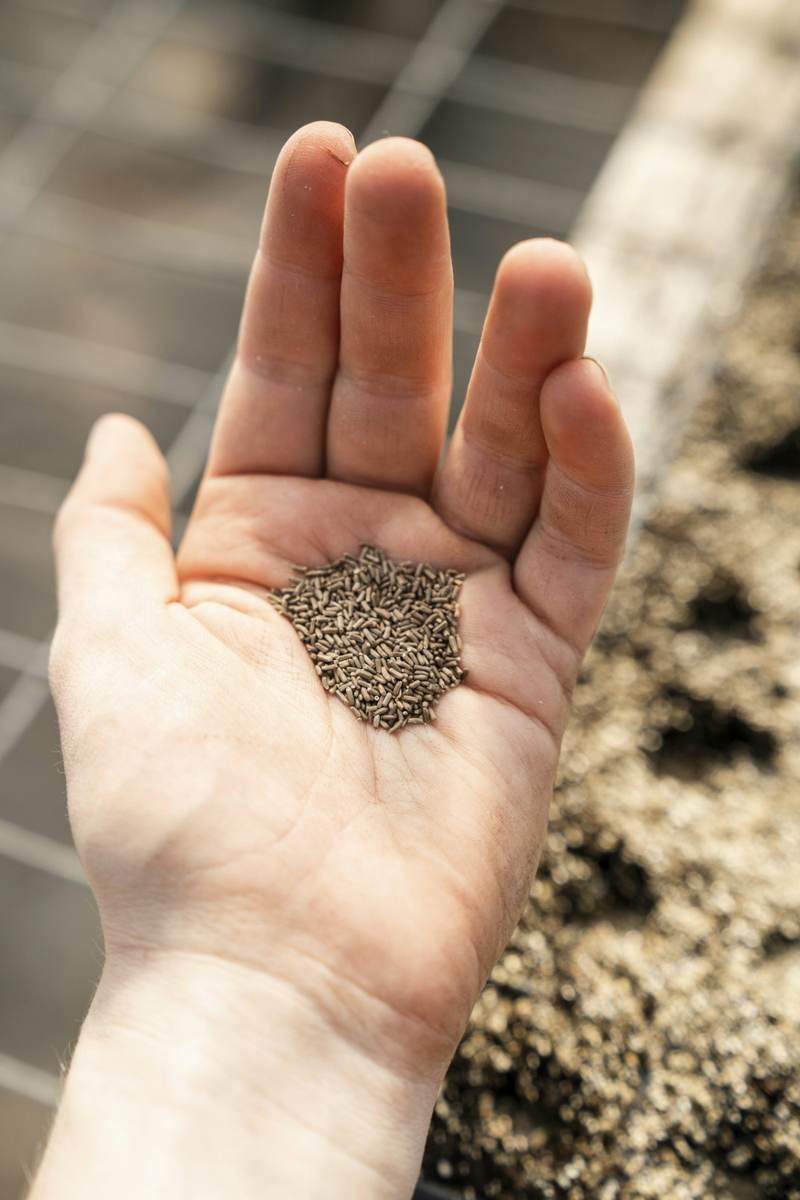
Sprinkle cress seeds on damp kitchen roll and watch them for a week. Keep one tray dry for comparison. Ask: who gave it life? What did we do, and what could we not do?
neighbours / faith groupsLearn CPR
Book a free British Heart Foundation or St John Ambulance CPR session for your congregation or street. Read Mishnah Sanhedrin 4:5 and Qur'an 5:32 on saving a life before you start.
 Episode 1