In the autumn of 2007, a Russian satellite carried a few thousand of the toughest animals on Earth into orbit and opened the lid. For ten days, tiny tardigrades, ‘water bears’ less than a millimetre long, were exposed to the vacuum of space. When they came home and were given water, many of them woke up (Jönsson and others, 2008).
al-Ḥafīẓ is the Preserver, the Guardian: the One who keeps everything, every person, every deed and every word, safe and intact. This episode looks at the best ways living things and people are preserved, and where each one fails.
Start with what we know
Then take away everything it needs. What is left is not a bigger version of us. It is the Name.
Episode 1
In us
Your immune system remembers. After an infection or a vaccine, memory cells can stay ready for decades; people vaccinated against smallpox still had memory B cells more than fifty years later (Crotty and others, 2003). It is a guardian built into your blood. But it can forget. In 2019 scientists found that measles can wipe out between 11 and 73 per cent of a child's existing antibodies, a kind of ‘immune amnesia’ that leaves them open to illnesses they had already beaten (Mina and others, Science). Even the body's best guard can be erased.
Episode 2
In nature
Tardigrades survive by drying out almost completely and curling into a tiny barrel called a tun, in which their metabolism all but stops. In this state they can survive freezing, boiling, crushing pressure and, as the 2007 experiment showed, the vacuum of space. But they are not indestructible. In the same experiment, most of those exposed to the full ultraviolet light of the Sun did not survive, and they can only preserve themselves by shutting life down to wait. They keep themselves, not anything else.
Episode 3
At our best
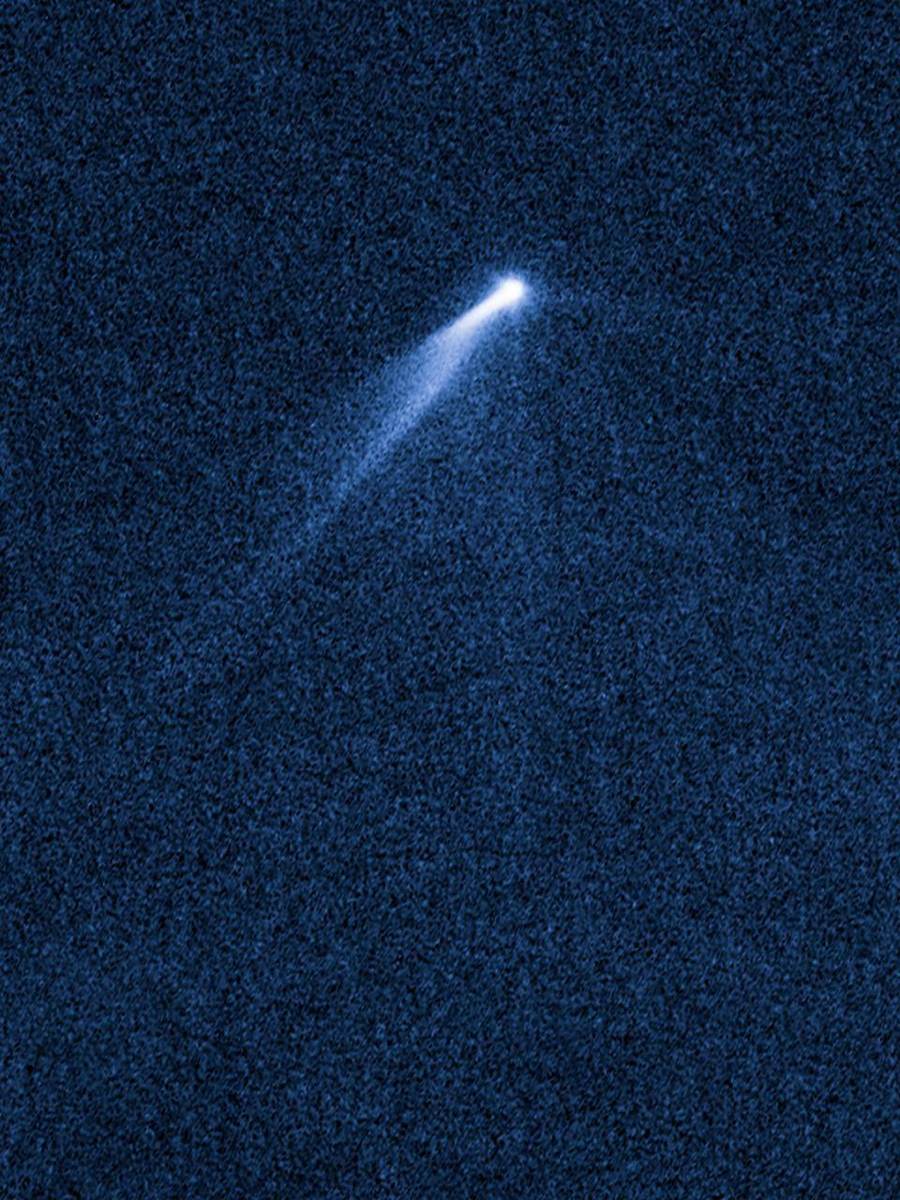
On 26 September 2022, NASA deliberately crashed its DART spacecraft into a small asteroid called Dimorphos, about 11 million kilometres from Earth. The impact shortened the asteroid's orbit around its larger partner by about 32 minutes, showing for the first time that we could nudge a space rock off course to protect the planet (NASA; Johns Hopkins APL). It is humanity's first act of planetary guarding. But it took years of preparation, a spacecraft the size of a vending machine, and it moved one small asteroid slightly. It guards against one danger, if we see it coming in time.
Episode 4
The Break
Take away the memory that can be wiped, the shutdown into a barrel, the years of warning, the single rock nudged aside. Every guardian we know guards one thing, for a while, against one kind of danger. al-Ḥafīẓ preserves everything at once, without tiring, and forgets nothing. “There is no soul but that it has a guardian over it” (Qur'an 86:4, our rendering).
ʿAbdullāh ibn ʿAbbās was a boy, perhaps ten or eleven, when he rode on a camel behind his cousin, the Prophet Muhammad (peace be upon him). As they travelled, the Prophet (peace be upon him) turned and said: “Young man, I will teach you some words.”
“Be mindful of God, and He will guard you. Be mindful of God, and you will find Him in front of you. When you ask, ask God. When you seek help, seek help from God.
“And know that if the whole world gathered together to benefit you with something, they could only benefit you with what God had already written for you. And if they gathered together to harm you with something, they could only harm you with what God had already written. The pens have been lifted and the pages have dried” (Tirmidhi 2516).
The Arabic for ‘be mindful of God’ and ‘He will guard you’ is iḥfaẓ Allāh yaḥfaẓka, from the same root as al-Ḥafīẓ. Keep God's commands, and He keeps you.
Ibn ʿAbbās grew up to be one of the greatest scholars of the Qur'an. Muslims still teach these words to children, often as the first long saying they learn by heart.
The priestly blessing, given by Aaron (peace be upon him)'s descendants in the Temple and still said in synagogues and by parents over their children on Friday nights, begins with the prayer to be kept.
The Hebrew shamar, to keep or guard, runs through the Psalms. Jewish homes fix a mezuzah to their doorposts, a small scroll whose case often bears the word Shaddai, read by tradition as the initials of ‘Guardian of the doors of Israel’.
Christianity
“Now to him who is able to keep them from stumbling, and to present you faultless before the presence of his glory in great joy”
Christians pray for God to keep them, and many churches end services with the same priestly blessing from Numbers. Jesus (peace be upon him), praying for his followers on the night before his death, said he had kept them safe (John 17:12).
The short letter of Jude ends with a famous blessing, often used at the close of Christian worship.
Islam
“We have sent down the Reminder, and We will guard it.”
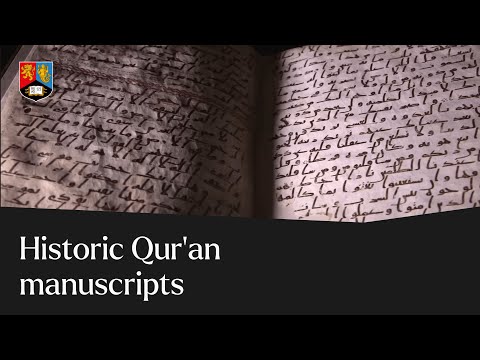
al-Ḥafīẓ appears in the Qur'an as the Guardian over all things (11:57; 34:21). The Qur'an says God guards the heavens, guards each soul (86:4), and guards the revelation itself: “We sent down the Reminder, and We will guard it” (15:9). In Āyat al-Kursī, “guarding them does not weary Him” (2:255).
Classical scholars said al-Ḥafīẓ preserves two things: the existence of all creatures, so they do not fall apart, and the record of every deed, so nothing is lost.
Same and different
All three faiths pray to be kept by God, and the priestly blessing of Numbers 6, ‘The LORD bless thee, and keep thee’, is said by Jews and Christians alike. Islam names God al-Ḥafīẓ and teaches that He keeps creation, every deed and His revelation. Muslims believe the Qur'an has been guarded word for word; Jews and Christians hold their own scriptures as faithfully preserved and handed down. All three teach a two-way keeping: keep God's ways, and He keeps you.
A moment to reflect
Who or what have you been trusted to look after?
Is there something precious you are afraid of losing?
What do you think it means to ‘be mindful of God’ in an ordinary week?
Watch
Watch on YouTube ↗ · plays here on the live site; YouTube without tracking until you press play
Cleo Abram on how tardigrades survived in space: the ‘In nature’ rung.
Watch on YouTube ↗ · plays here on the live site; YouTube without tracking until you press play
New Scientist: NASA's DART spacecraft hits the asteroid Dimorphos: the ‘At our best’ rung.
Watch on YouTube ↗ · plays here on the live site; YouTube without tracking until you press play
TED-Ed on how vaccines train immune memory: the ‘In us’ rung.
Do it together
families / schoolsLearn it by heart
Take the words Ibn ʿAbbās learned (Tirmidhi 2516), Numbers 6:24-26 or Jude 24 and learn one by heart together over a week. Say it before school or bed.
neighbours / faith groupsKeepers' thank you
Find the people who keep your community safe and preserved: archivists, lifeguards, crossing patrols, librarians, vaccinators. Invite one to speak, and send thank-you cards.
 Episode 1