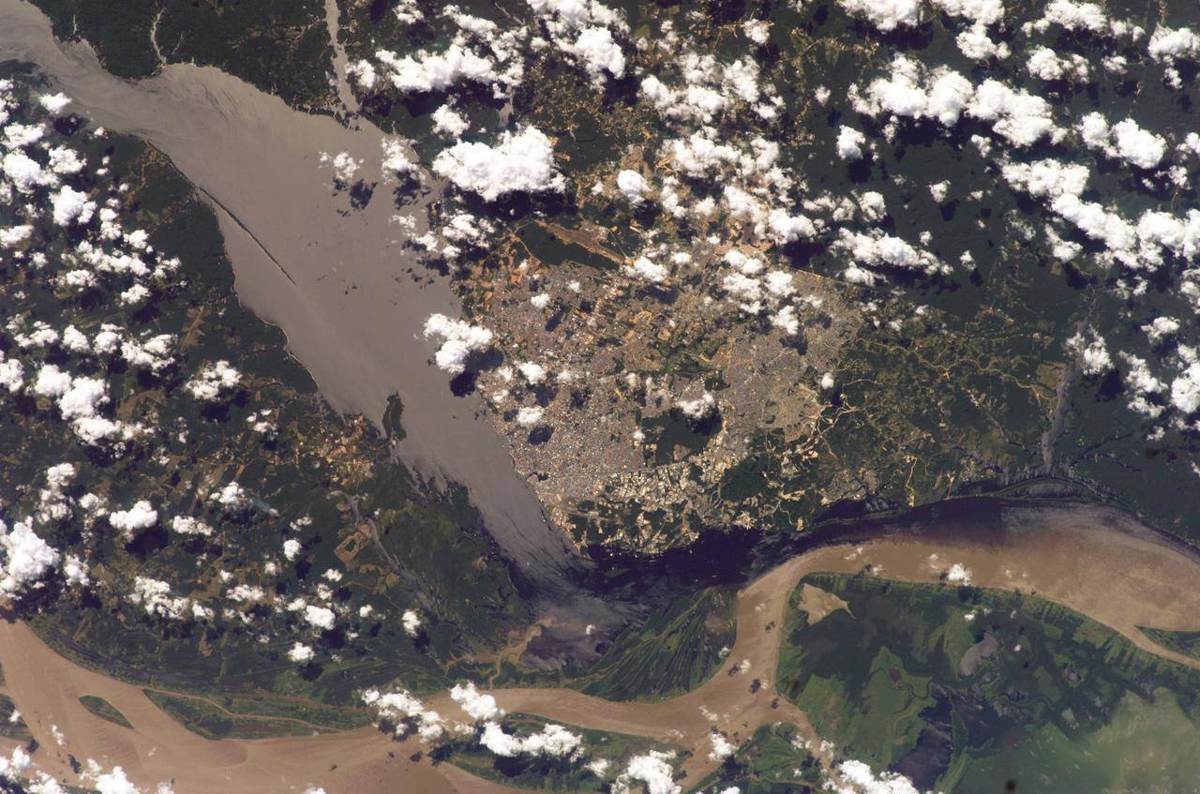
People often say the Great Wall of China is the only human-made thing you can see from space. It is not true. NASA says the wall is almost impossible to pick out with the naked eye even from low orbit, because it is narrow and the same colour as the land around it. From the Moon, no human structure can be seen at all.
al-Kabīr is the Great. Its most famous form is a single word Muslims say dozens of times a day: akbar, ‘greater’. Allāhu akbar does not say God is great like a wall or a mountain. It says He is greater: greater than anything you could put next to Him. This episode keeps putting great things next to each other, until the comparison breaks.
Start with what we know
Then take away everything it needs. What is left is not a bigger version of us. It is the Name.
Episode 1
In us
A 2012 Chinese government survey measured all the sections of the Great Wall built over two thousand years at about 21,000 kilometres, roughly half the distance round the Earth (Xinhua). It took millions of workers and many dynasties to build. It is perhaps the greatest single construction project in human history. Yet from space it all but vanishes; from the Moon, the whole Earth is a ball you can cover with a thumb. Our greatest works are great only from close up, and only until something larger comes into view.
Episode 2
In nature
In the Blue Mountains of Oregon, a single honey fungus, Armillaria ostoyae, spreads underground through about 9.6 square kilometres of forest: the area of more than 1,300 football pitches. Scientists estimate it may be thousands of years old, making it one of the largest and oldest living things on Earth (US Forest Service). Almost all of it is hidden. Above ground you see only clusters of golden mushrooms in autumn. It is enormous, but it is one organism in one forest, and it grows by slowly killing the trees around it.
Episode 3
At our best
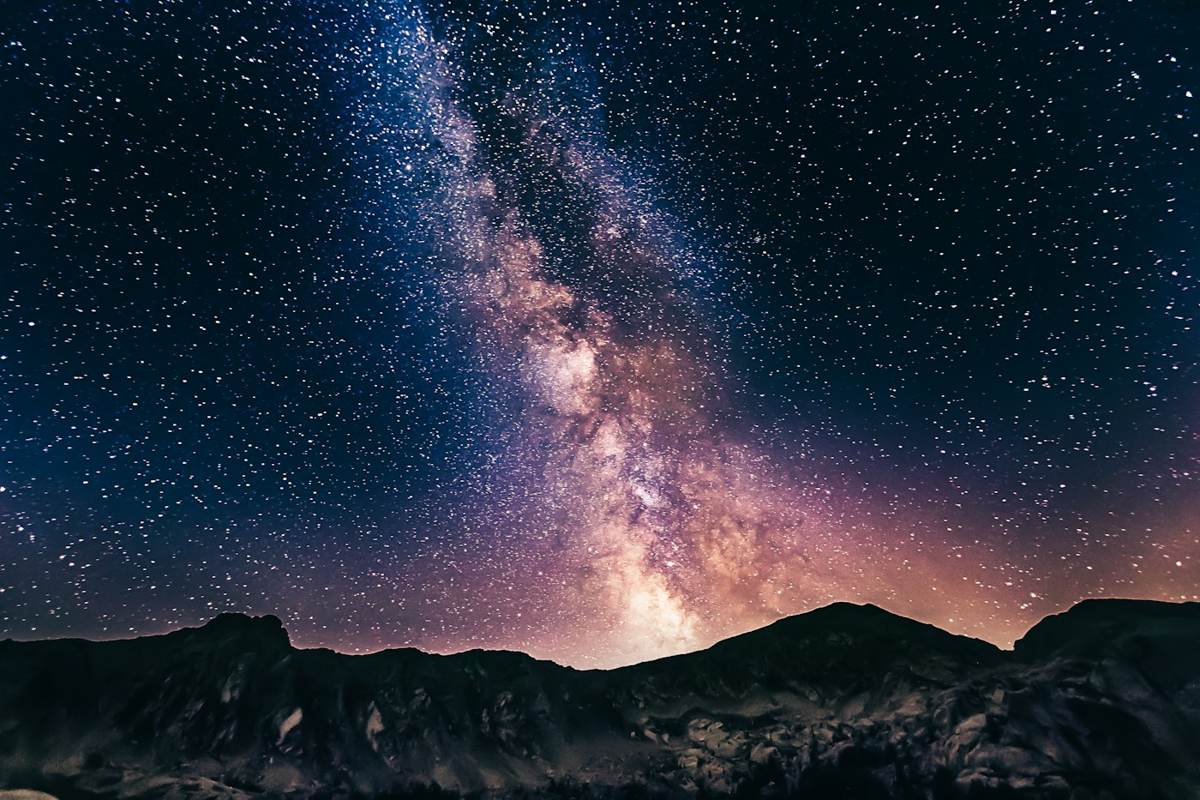
In 2014 astronomers led by Brent Tully mapped how thousands of galaxies move, and found that our own Milky Way belongs to a vast flowing structure they named Laniakea, Hawaiian for ‘immeasurable heaven’. It is about 520 million light-years across and holds around 100,000 galaxies (Tully and others, Nature, 2014). It is one of the greatest things human beings have ever measured. Yet the name gives the game away: we called it immeasurable, and then measured it. Every great thing we find is still a thing, inside a universe that is bigger still.
Episode 4
The Break
Take away the wall, the hidden fungus, the supercluster, and the very act of comparing, because each was great only next to something smaller. al-Kabīr is not the biggest on the list; He is the One with whom nothing can be compared at all. That is why the takbīr leaves the sentence open: God is greater, full stop. “Knower of the unseen and the seen, the Great, the Most High” (Qur'an 13:9, our rendering).
From the tradition: Classical: akbar is left open; 'greater than whatever you compare Him with'. Arab Christians also say 'Allahu akbar' (Archbishop Atallah Hanna, 2015)
On screen
The TARDIS is bigger on the inside. Allāhu akbar: greater than any inside or outside.
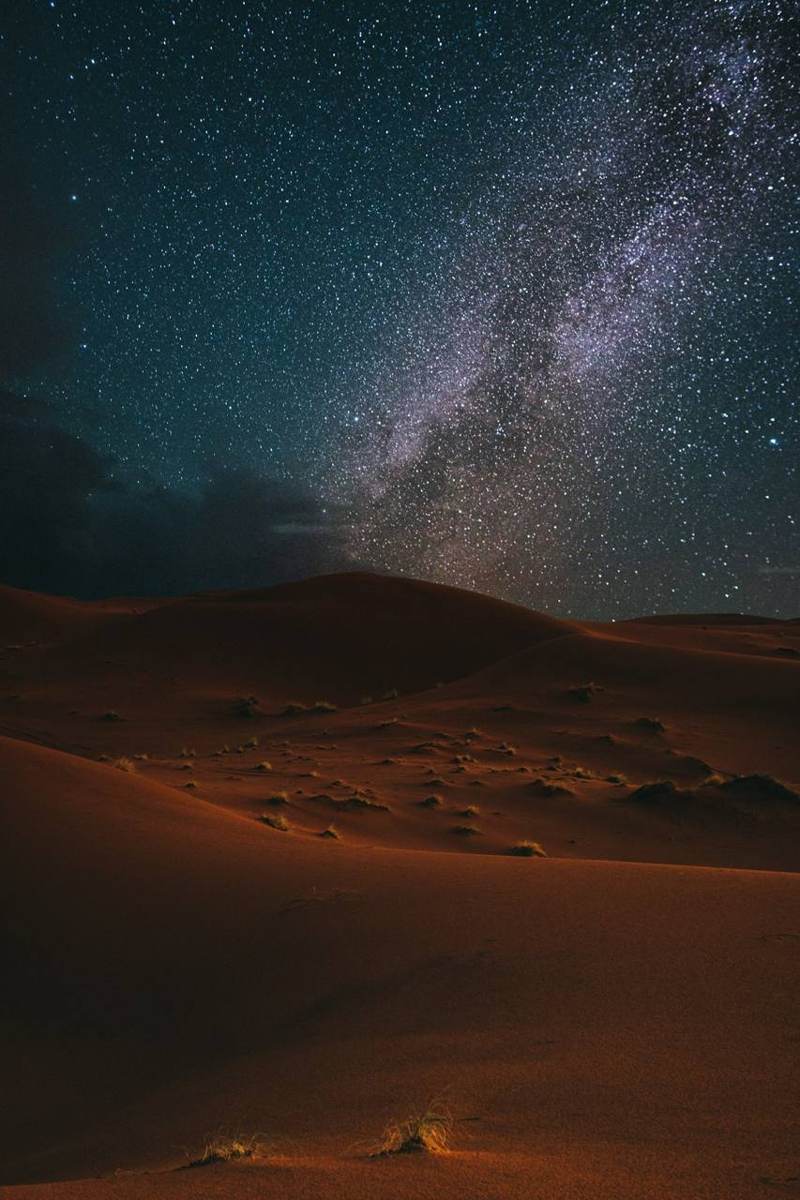
The Qur'an tells how the young Abraham (peace be upon him) looked up at the night sky over a land where people worshipped the stars and idols.
He saw a bright star and said, as if testing his people's belief: “This is my Lord.” But when it set, he said: “I do not love things that set.”
Then he saw the moon rising, shining, and said: “This is my Lord.” But when it set too, he said: “If my Lord does not guide me, I will surely be among those who go astray.”
Then he saw the sun rising, and said: “This is my Lord; this is greater”, hādhā akbar. But when the sun set, he said: “My people, I am free of all that you associate with God. I turn my face to the One who created the heavens and the earth” (6:76-79).
The word akbar appears in the story, applied to the sun, and then given up. Each greater thing in the sky turned out to be one more thing that rises and sets. Abraham (peace be upon him)'s search ended not with the biggest light, but with the One who made all of them. That is what every Muslim repeats when they say Allāhu akbar: greater than the star, the moon and the sun.
What each faith says
Judaism
“For the LORD is a great God, and a great King above all gods”
The Psalms call God “a great God, and a great King above all gods”. Jewish tradition has its own account of Abraham (peace be upon him)'s search. Maimonides, the great medieval rabbi, wrote that the young Abraham wondered how the heavens could keep turning with no one to turn them, until he understood that there is one God who moves them and created everything (Mishneh Torah, Laws of Idolatry 1:3).
Jews praise God's greatness in the Kaddish, said in every service: Yitgadal v'yitkadash, ‘magnified and sanctified’ be His great Name.
Christianity
“looking for the blessed hope and appearing of the glory of our great God and Savior, Jesus Christ”
Christians sing of the greatness of God in hymns and in the Gloria. The letter to Titus speaks of “our great God and Savior, Jesus Christ”: for Christians, God's greatness is seen also in His coming close.
Arabic-speaking Christians in the Middle East use the phrase Allāhu akbar too, in their own prayers, because Allāh is simply the Arabic word for God.
Islam
“Knower of the unseen and the seen, the Great, the Most High.”
al-Kabīr appears six times in the Qur'an, often with al-ʿAliyy. Allāhu akbar, the takbīr, opens every prayer and marks each change of position. Classical scholars noted that akbar is a comparative with nothing after it: ‘greater than…’ is left open, because nothing can fill the gap.
The Prophet Muhammad (peace be upon him) said the four phrases most loved by God are “Glory be to God”, “Praise be to God”, “There is no god but God” and “God is greater” (Muslim 2137). The takbīr is a phrase of prayer and celebration: it is shouted at Eid, whispered at a birth, and said in wonder at a view.
Same and different
All three faiths praise God as great beyond comparison, and both Jewish and Islamic traditions tell of the young Abraham (peace be upon him) looking past the sun, moon and stars to their Maker. Allāhu akbar is said by Arabic-speaking Christians as well as Muslims. Christianity adds that God's greatness is shown in Christ coming close; Judaism and Islam hold that nothing created can share it. All three say the same thing to the stargazer: look higher than what you can see.
A moment to reflect
What is the greatest thing you have ever seen? Did it make you feel small or wonderful, or both?
Why do you think the phrase ‘God is greater’ leaves out what He is greater than?
What does Allāhu akbar mean to you when you hear it, and has this page changed that?
Watch
Watch on YouTube ↗ · plays here on the live site; YouTube without tracking until you press play
Nature's own video on Laniakea, our home supercluster: the ‘At our best’ rung.
Watch on YouTube ↗ · plays here on the live site; YouTube without tracking until you press play
Oregon Field Guide on the humongous fungus: the ‘In nature’ rung.
Watch on YouTube ↗ · plays here on the live site; YouTube without tracking until you press play
MinuteEarth on what counts as the biggest organism on Earth.
Do it together
families / schoolsAbraham's night sky
On a clear night, find the brightest star or planet, then the Moon. Read Qur'an 6:76-79 and Maimonides' account of Abraham (peace be upon him)'s search, and talk about why neither the star nor the sun was enough for him.
neighbours / faith groupsWhat the call says
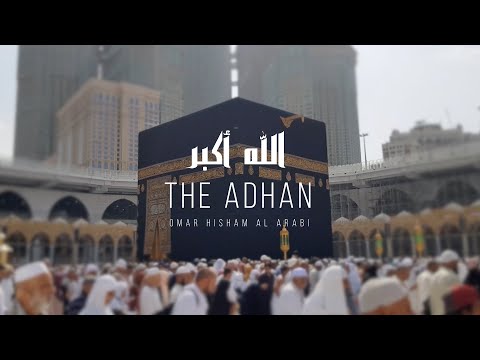
If you live near a mosque, invite someone to explain the words of the adhān line by line, starting with Allāhu akbar. Pair it with a Jewish reading of the Kaddish and a Christian Gloria.
 Episode 1