For fourteen hundred years, nobody on Earth could read Egyptian hieroglyphs. The last people who knew how had died, and the temples were covered in writing no one understood. Then, in September 1822, a young French scholar named Jean-François Champollion is said to have run into his brother's office shouting “I've got it” and fainted.
al-Fattāḥ is the Opener: the One who opens what is shut, whether a door, a heart, a way forward or a fair judgement between people. This episode looks at three great openings, and at what each still could not open.
Start with what we know
Then take away everything it needs. What is left is not a bigger version of us. It is the Name.
Episode 1
In us
The key was the Rosetta Stone, found by French soldiers in Egypt in 1799 and in the British Museum since 1802. It carries one decree from 196 BC in three scripts: hieroglyphs, a later Egyptian script called demotic, and ancient Greek, which scholars could read. Building on work by the English scientist Thomas Young, Champollion used the Greek and his knowledge of Coptic to unlock the hieroglyphs (British Museum). It opened three thousand years of history. But he needed the stone, the Greek and years of work, and other scripts, such as Linear A from Crete and the Indus script, are still locked.
Episode 2
In nature
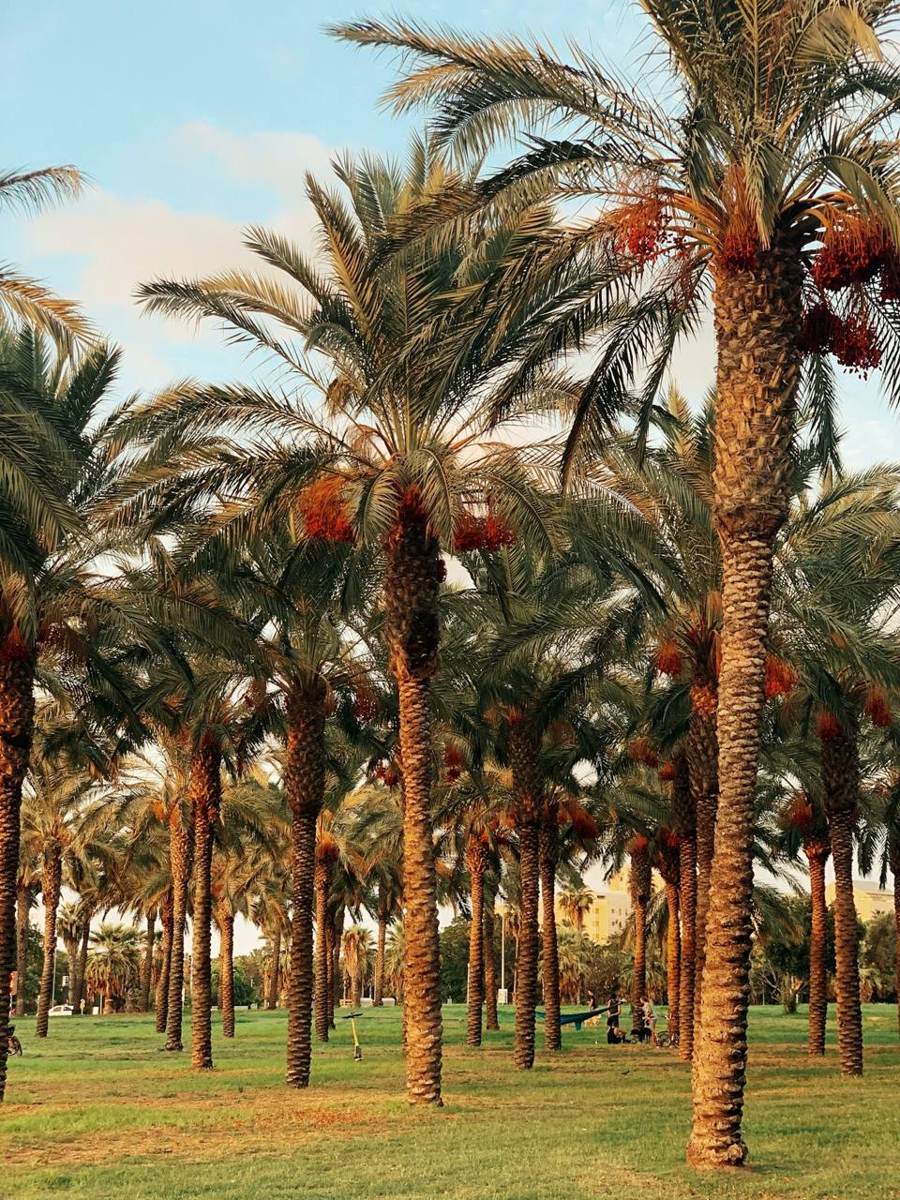
In the 1960s, archaeologists digging at Masada, the desert fortress above the Dead Sea, found ancient date seeds. Forty years later, in 2005, researchers in Israel soaked one in water and growth hormones and planted it. It sprouted. Carbon dating showed the seed was about 2,000 years old: the oldest seed ever grown into a tree (Sallon and others, Science, 2008). The palm, nicknamed Methuselah, has since produced pollen and helped bring a lost Judean date back. But only a few seeds out of many ever opened, and only with help.
Episode 3
At our best
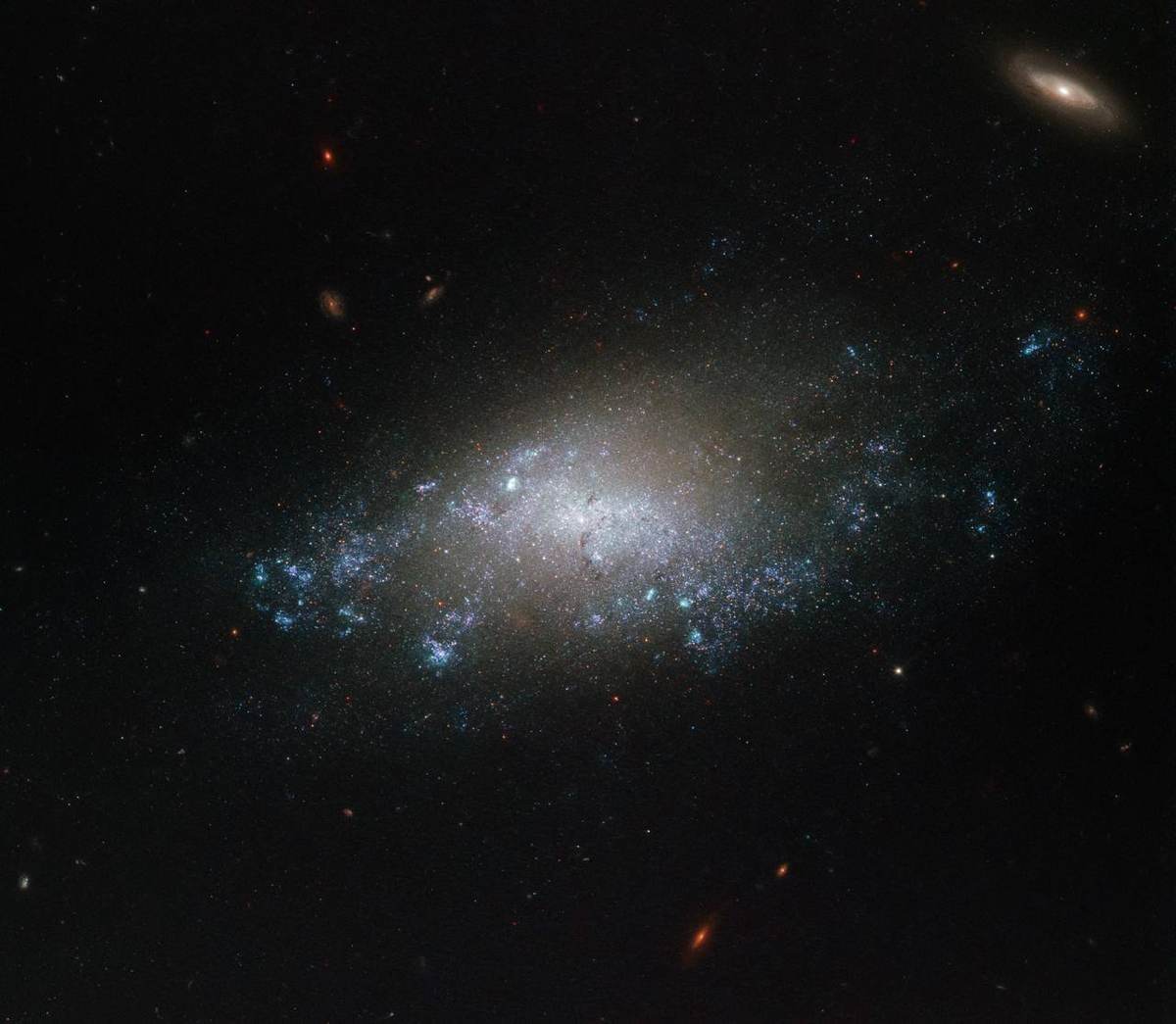
On 1 July 2023 the European Space Agency launched Euclid, a telescope built to map billions of galaxies across more than a third of the sky. Its goal is to open the greatest mystery in physics: dark matter and dark energy, which together make up about 95 per cent of the universe but have never been seen directly (ESA). Its first images are breathtaking. Yet Euclid can map where the dark universe is by its pull on light; it cannot tell us what it is. Our best openings reveal the shape of a locked room.
Episode 4
The Break
Take away the stone with its Greek, the growth hormone and the patient scientist, the telescope that can map but not explain. Every opening we know needs a key someone else made. al-Fattāḥ is not a better locksmith; He is the One who opens what nothing else can, and whose opening no one can shut. “Whatever mercy God opens for people, no one can hold back; and whatever He holds back, no one can release after Him” (Qur'an 35:2, our rendering).
For years the Prophet Muhammad (peace be upon him) and his followers had been driven out of Mecca, their homes taken, some of their families killed. In January 630 he returned with ten thousand people. The Arabic name for that day is al-Fatḥ, ‘the Opening’.
There was almost no fighting. He rode in with his head bowed so low, the early historians say, that his beard nearly touched his saddle. He went to the Kaʿbah and cleared it of its idols, reciting: “The truth has come and falsehood has vanished” (17:81).
Then he turned to the people of Mecca, many of whom had fought him for twenty years. They waited to hear what he would do to them. He asked: “What do you think I will do with you?” They said: “Good. You are a noble brother, the son of a noble brother.”
He answered with the words of the prophet Joseph (peace be upon him) to the brothers who had once thrown him into a well: “No blame on you today” (12:92). And he added: “Go, you are free.”
The city opened without a massacre. For Muslims, al-Fattāḥ opened that day not only gates, but hearts.
What each faith says
Judaism
“The LORD will open unto thee His good treasure the heaven to give the rain of thy land in its season, and to bless all the work of thy hand”
The Hebrew Bible speaks of God opening: the womb of Rachel (Genesis 30:22), the eyes of Hagar to see a well, the heavens to give rain. Moses (peace be upon him) promises Israel that God will open His good storehouse, the sky.
At the close of Yom Kippur, as the sun sets, the final service is called Neʿilah, ‘the closing of the gates’. Its prayers ask God to open a gate for us as the gate is closing. There is no Hebrew Name exactly like al-Fattāḥ, but the image of God opening is everywhere.
Christianity
“He who is holy, he who is true, he who has the key of David (peace be upon him), he who opens and no one can shut, and who shuts and no one opens”
Jesus (peace be upon him) promised: “Knock, and it will be opened for you” (Matthew 7:7). In the book of Revelation, Christ is described as the one who holds the key of David (peace be upon him), who opens and no one shuts.
Christians speak of God opening hearts, as when Lydia, a cloth merchant in Philippi, listened to Paul and “the Lord opened her heart” (Acts 16:14).
Islam
“Say: our Lord will bring us together, then He will judge between us with truth. He is the Opener, the All-Knowing.”
The Qur'an's first chapter is al-Fātiḥah, ‘the Opening’, from the same root. al-Fattāḥ appears in 34:26, where it also means Judge: the One who opens the truth between people and decides fairly. Classical scholars said He opens provision, knowledge, hearts and judgement.
Muslims often begin a new task, a business or a school year with the prayer “O Opener, open for us”. The Qur'an says the keys of the unseen are with God alone (6:59).
Same and different
All three faiths picture God opening what is shut: wombs, eyes, hearts, the sky's storehouse of rain. Judaism prays at Neʿilah for a gate to open as it closes. Christianity speaks of Christ holding the key that opens and no one shuts. Islam names God al-Fattāḥ, the Opener and the Judge who opens the truth between people. They differ on who holds the key in the end, but share the hope that no door is shut for good.
A moment to reflect
What has been opened to you this year that you did not expect?
Is there a door you are waiting for someone else to open, or one you could open for someone?
What would it mean to see a fair judgement as an opening, not a closing?
Watch
Watch on YouTube ↗ · plays here on the live site; YouTube without tracking until you press play
TED-Ed on why the Rosetta Stone mattered: the ‘In us’ rung.
Watch on YouTube ↗ · plays here on the live site; YouTube without tracking until you press play
BBC Reel on the Judean date palm grown from a 2,000-year-old seed: the ‘In nature’ rung.
Watch on YouTube ↗ · plays here on the live site; YouTube without tracking until you press play
ESA's Euclid takes its first deep look into the dark universe: the ‘At our best’ rung.
Do it together
schools / familiesCrack the code
Write a short message in a made-up alphabet, with one sentence also in English as your ‘Rosetta Stone’. Let others crack it. Talk about how much we can open with a key, and what we could never open without one.
schools / faith groupsSee the Stone
Visit the Rosetta Stone in Room 4 of the British Museum (free). Afterwards, read Deuteronomy 28:12, Revelation 3:7 and Qur'an 35:2 and ask: what does it mean to call God the Opener?
 Episode 1